
Who Owns Cîroc? Ownership Revealed & Business Insights
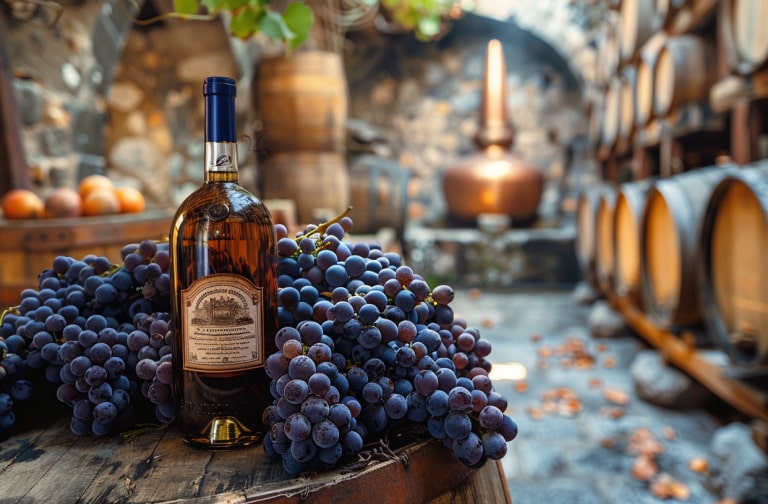
“It takes more than a rapper, a party crowd and a flashy bottle—ultimately, it takes control.”
Here’s what I discovered: As of 2025, the premium vodka brand Cîroc is fully owned by the British spirits giant Diageo plc. While many people recall rapper Sean “Diddy” Combs as the face of Cîroc—because he heavily promoted the brand and allegedly held profit-sharing rights—he never held controlling ownership. In my view: A brand can shine with celebrity sparkle, but real power lies in who holds the shares and makes the strategic calls.
The Ownership Journey: How Did We Get Here?
I walked through the timeline because it reveals how ownership, culture and strategy intertwined:
- Founded in France by Jean‐Sébastien Robicquet in 2003, Cîroc differentiated itself by making vodka from grapes—not grain.
- In 2007, Diageo entered a marketing-heavy arrangement with Diddy in the U.S., often cited as a “50/50 profit-share” partnership—but not full equity.
- In January 2024, Diageo settled its legal dispute with Diddy and confirmed it holds sole ownership of Cîroc (and the tequila brand DeLeón) moving forward.
- In April 2025 the company announced that it had exchanged majority U.S. rights of Cîroc for another brand, signalling a further evolution of ownership and regional rights.
In reflecting on this path, I saw how brand partnerships and celebrity associations can launch a brand—but the foundation of enduring value is ownership aligned with control, strategy and execution.
Why Ownership Structure Actually Matters
When I dug into this case, three key insights stood out:
- Brand culture vs. ownership control – Diddy brought massive cultural exposure to Cîroc, but he lacked controlling shares. The brand grew, yes—but long-term direction was still in Diageo’s hands.
- Unified ownership enables strategy – Once Diageo became sole owner, the brand could steer its global strategy, product pipeline and distribution without negotiating with an external equity partner.
- Exiting partnerships can be as strategic as entering them – The end of the Diageo/Diddy relationship (and the subsequent asset swap) shows that when alignment breaks down, exiting is a smart move—not a failure.
I realised: In business, visible influence is great—but invisible ownership is more powerful.
Business Insights You Can Use Now
Here are the strategic lessons I distilled, organized in a table to make them actionable:
| Business Insight | Evidence from Cîroc Case | How I/You Can Apply |
| Influence ≠ Ownership | Diddy influenced brand image; Diageo owned the brand. | When choosing partners: ask, “Do they bring control or just exposure?” |
| Ownership grants strategic latitude | Sole ownership allowed Diageo to drive global strategy coherently. | Ensure your ownership/structure allows you to steer your strategy. |
| Celebrity tie-ins are tools—not substitutes | Cultural momentum helped Cîroc, but major decisions rested with the owner. | Use influencers/celebrities—but don’t let them replace your business fundamentals. |
| Exit when fit ends | Ownership of U.S. rights shifted; partnership ended due to strategic mismatch. | Monitor partnerships continuously and keep exit strategy clear. |
| Regional rights matter | Diageo’s strategic swap of U.S. rights shows complexity of “ownership by geography”. | For global business: consider how regional rights/distribution affect your model. |
My Final Thought: Ownership Anchors the Narrative
Writing this piece made me reflect on a simple truth: ownership anchors the narrative, culture launches it, but ownership steers it. In the case of Cîroc, the brand soared thanks to culture, celebrity and premium positioning—but long-term control and strategic decisions rested with the owner, Diageo. If you’re building a brand, ask yourself: who owns the story, the product, the rights and the roadmap? Because when markets shift and consumer tastes evolve, ownership gives you the foundation to act—not just react.